


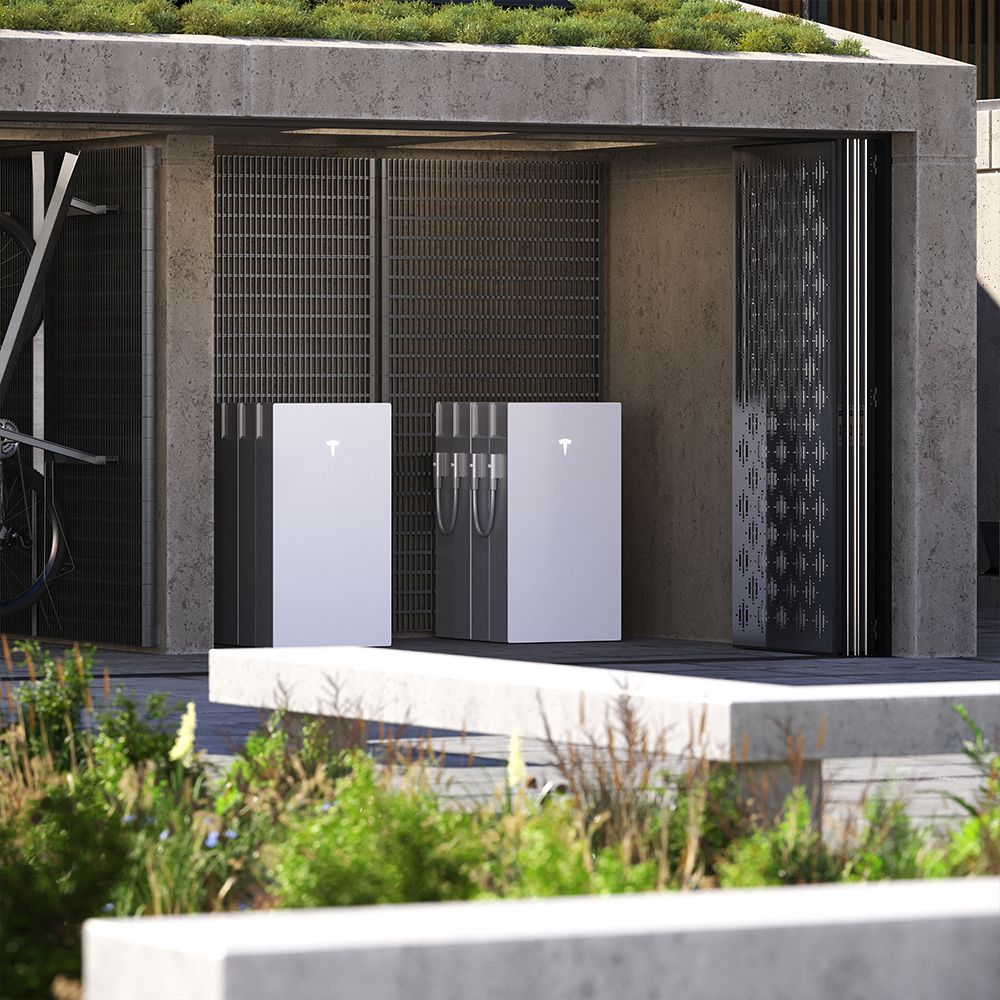
TESLA POWERWALL 3 and 3P
Solar Planet Portugal presents another completed installation.
An existing photovoltaic system with Fronius Symo 3.7Kw snapinverter, has now been updated with 5 more 645Wp Longi Solar Modules and a Tesla Powerwall 3P Three-Phase equipped with built-in inverter and 13.5 kWh of storage capacity, along with Tesla Gateway 2.
With this solution, the customer benefits not only from self-consumption and energy storage, but also from the possibility of maintaining power supply in case of public network failure - a decisive factor in the choice of this solution
(Photos include the construction phase).
Another customer taking advantage of renewable sources, another satisfied customer.
Contact us:
geral@solarplanet.pt
Phone: +351 211 378 571
Phone/WhatsApp: 918 110 161
www.instagram.com/solarplanetportugal
Solar Planet Portugal - Renewables

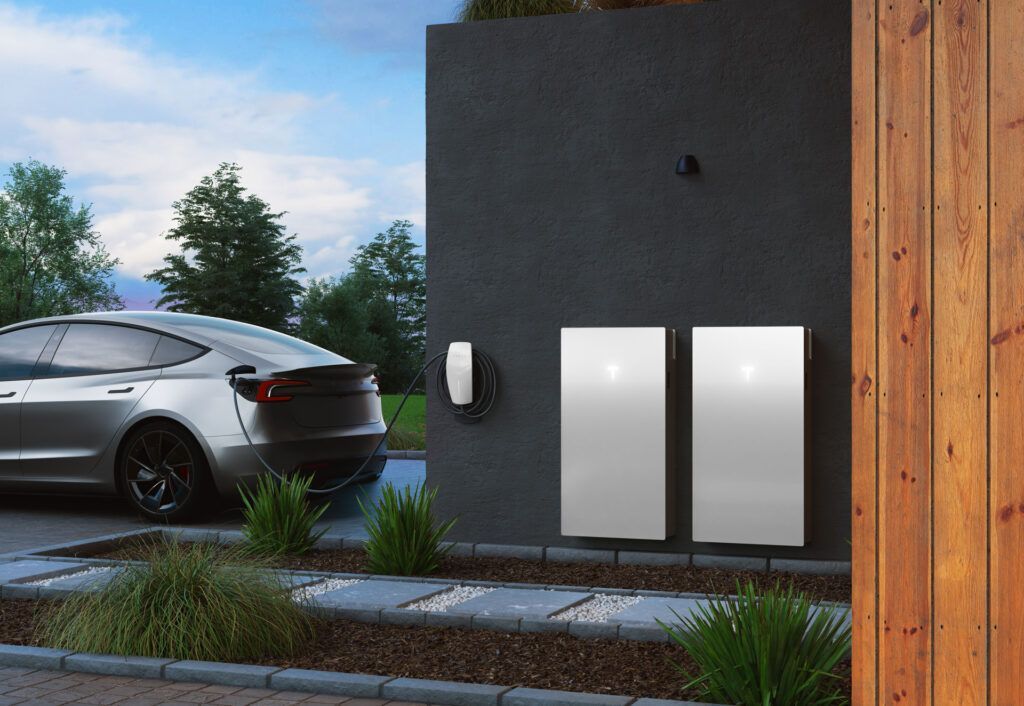

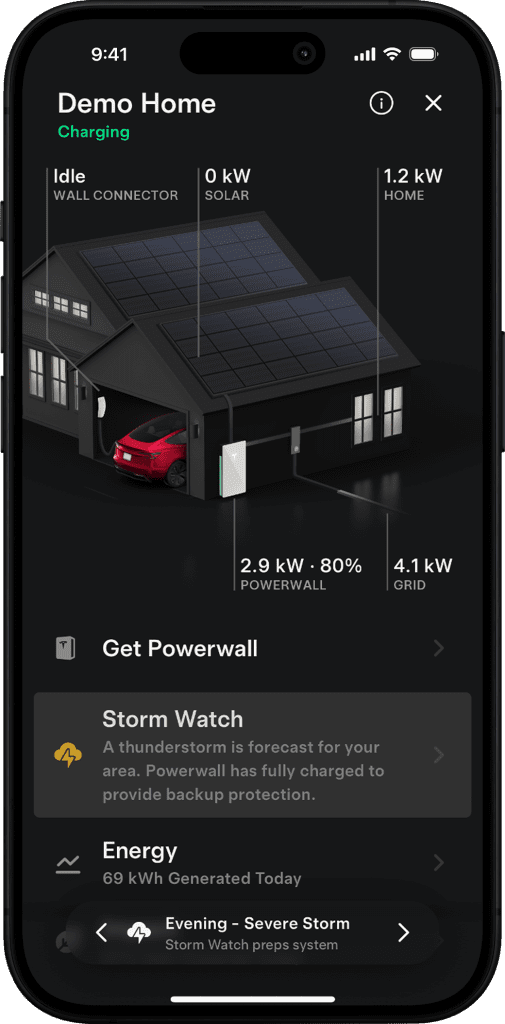
Tesla Powerwall is a home battery designed to increase solar self-consumption and provide autonomy to the home when solar panel production drops. Instead of "selling" surplus energy during the day and buying it back at night, the Powerwall stores the excess and returns it when needed — with automatic management via the Tesla app.
Launched in 2015, the Powerwall has evolved over the years and become a benchmark in the residential segment. In September 2025, Tesla announced that it had installed more than 1 million units in 30 countries, which gives a good idea of the maturity of the product and the ecosystem that supports it.
The most immediate benefit is simple: more self-consumption and less dependence on the grid. The battery charges when there is sun and discharges at the end of the day/night, reducing purchases during high hours and improving the return on investment for photovoltaics. For those with tariffs that include peak/full/off-peak periods, it can also be configured to "charge cheap and use expensive," automating savings without daily intervention.
The second benefit is service continuity. In the event of a grid failure, the Powerwall can power essential loads (or the entire house, when sized accordingly) and manage available power to maximize autonomy. This is especially relevant in homes with critical equipment (refrigerators, pumps, gates, home automation, telecommunications, lighting, etc.).
In the Powerwall 3 version, there are also practical benefits for homes with more demanding consumption: greater responsiveness to peak loads and starting of heavy loads (e.g., motors/compressors), in addition to an architecture prepared to grow over time — it can be expanded with additional units and expansion modules as consumption evolves.
Why choose Powerwall “and not another”? You choose Powerwall when the goal is a highly integrated and easy-to-operate solution: battery software monitoring in a single app, with robust automation and a consistent end-user experience. It's a strong option when the customer wants simplicity (fewer third-party components), discreet aesthetics, silent operation, and a well-tuned “set and forget” system for self-consumption and backup.
Other batteries may be more suitable when the project has very specific requirements (for example, integration into an existing ecosystem, particular electrical architecture needs, or advanced control strategies). Therefore, the right choice is always based on actual consumption, the type of installation, and the objective (savings, backup, or both). This sizing defines how many kWh make sense and which loads should be protected.